



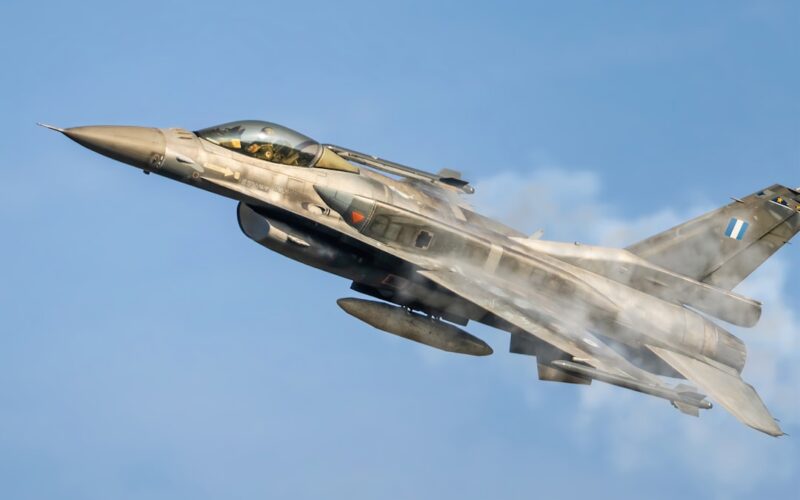
Tensions along the 1,600-mile Pakistan-Afghanistan border have erupted once again, with deadly consequences for both militants and civilians. On Sunday, Pakistani security forces launched a ground operation followed by “calibrated strikes” against what they described as militant hideouts in Afghanistan’s Paktia, Paktika, and Kunar provinces. According to Attaullah Tarar, a Pakistani government official, at least 32 militants were killed in the operation.
The Afghan Taliban government, however, paints a far grimmer picture. Hamdullah Fitrat, a spokesman for the Taliban, claimed on social media that the airstrikes killed 36 civilians and wounded 163 others, with the majority of casualties reported in the three targeted provinces. Among the dead, the Taliban says, were 13 children. The Pakistani military maintains that their operations targeted members of the Tehreek-e-Taliban Pakistan (TTP) and other armed groups allegedly using Afghan soil to launch attacks inside Pakistan.
Escalating Violence and Mutual Accusations
This latest spasm of violence is part of a broader pattern of tit-for-tat military action that has surged since February 2026. That month, clashes between the two sides killed dozens. In March, a Pakistani airstrike on a drug rehabilitation center in Kabul reportedly killed hundreds. Earlier in June, Pakistan claimed to have killed 26 militants in another set of strikes, while the Taliban accused Pakistan of striking civilian homes.
Both governments continue to dispute each other’s accounts. Pakistan has long accused Afghanistan’s Taliban of harboring militants responsible for deadly cross-border attacks, particularly from the TTP. The Taliban government has repeatedly denied these allegations, insisting that Pakistani strikes have killed innocent civilians and struck residential areas.
Failed Diplomacy and Closed Borders
International efforts to mediate, including those by China and Saudi Arabia, have so far failed to produce a lasting resolution. The border itself has been largely closed since October 2025, following an earlier spike in violence. Pakistani army chief Field Marshal Asim Munir stated in March that peace could only be achieved if the Taliban regime “renounced their support for terrorism and terrorist organisations.”
With hundreds killed since February and no sign of de-escalation, the humanitarian toll is rising. Independent verification of the latest casualty figures remains elusive, but onlookers in Paktia province described scenes of devastation in the aftermath of the strikes. As the world watches, the tense relationship between Islamabad and Kabul looks set to remain a flashpoint in the region for the foreseeable future.