



After nearly five months of conflict, President Trump has ordered a halt to US airstrikes against Iran, following a two-week bombing campaign that military officials now say has reached the end of its effectiveness. The pause comes as American munitions stocks dwindle, casualties mount, and the global price of oil surges past $100 per barrel, intensifying pressure on both Washington and Tehran.
US Central Command chief Brad Cooper recommended suspending the bombing runs around the Strait of Hormuz, explaining that the military had “nearly exhausted the list of targets” developed for the campaign. According to two sources familiar with the discussions, Cooper and other top advisers influenced Trump’s decision on Friday to suspend further strikes. The military’s assessment was blunt: without a return to major combat operations, continued bombing would yield little strategic value.
Stalemate in the Strait
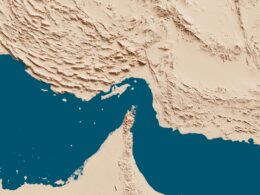
The latest round of US strikes, which began two weeks ago, aimed to degrade Iran’s ability to threaten shipping in the Strait of Hormuz—a vital artery for global oil and gas shipments. While US officials say Iran’s capacity to attack ships has been “significantly degraded,” the two weeks of bombing failed to break Tehran’s blockade of the waterway. The cease-fire signed last month collapsed after Iran resumed its blockade, frustrating hopes for a diplomatic breakthrough.
Iranian military spokesman Mohammad Akraminia confirmed that US attacks “stopped” over the past two nights and said Iran had halted its retaliatory operations. Still, Iranian officials remain defiant. “The United States is struggling with the war it started and cannot escape the disaster,” an Iranian statement read.
Diplomatic Moves and Rising Tensions
With the air campaign paused, attention has shifted back to the negotiating table. Officials from Oman, a frequent mediator in regional disputes, held talks in Tehran over the weekend. Esmaeil Baghaei, Iran’s foreign ministry spokesman, said the discussions were “useful” and that “progress was achieved” on reopening the strait for safe transit. Meanwhile, Israeli Prime Minister Benjamin Netanyahu—an outspoken critic of US-Iran diplomacy—is set to visit the White House on Tuesday, pressing Washington to renew military pressure.
While the US weighs its next steps, global markets are feeling the squeeze. The price of Brent crude, the world’s oil benchmark, surged more than 7 percent to $100.95 a barrel on Friday before settling just below $98. The ongoing Houthi blockade in Yemen is also threatening to further disrupt oil supplies, as Saudi-led forces launched fresh airstrikes against Houthi-aligned sites over the weekend.
As the world watches for signs of a breakthrough—or a renewed escalation—Washington faces hard choices amid mounting economic and military costs.