


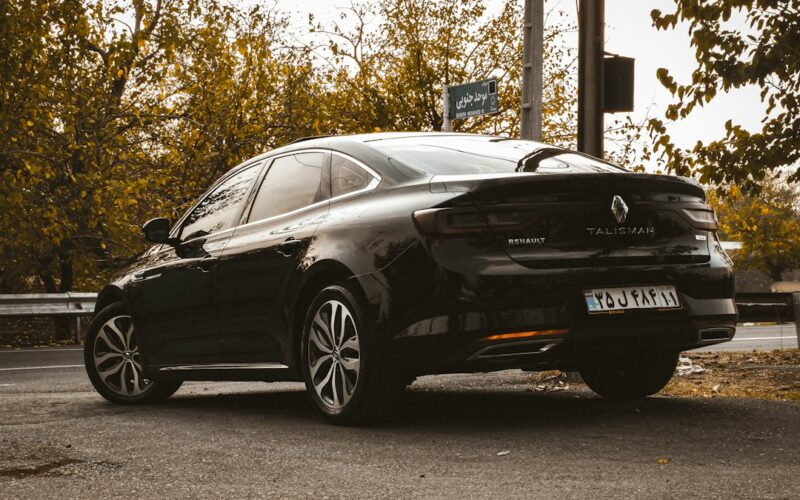
Tehran is reeling as Iran’s car market faces its worst crisis in decades. Since the outbreak of war with the United States and Israel on February 28, 2026, and the imposition of new sanctions, prices for domestically produced vehicles have soared between 40% and 80%—with some models up a staggering 130% compared to a year ago. The numbers spell disaster for ordinary Iranians already battered by an accelerating cost-of-living crisis.
It’s not just sticker shock. For a resident like Hossein, a 32-year-old marketing specialist in Tehran, the dream of upgrading from his 13-year-old Iranian-made car to a newer Peugeot 207 feels impossible. Even if he sells his old car for 10 billion rials (about $4,350), he’d need to scrape together an additional 18 billion rials—making the total cost of the Peugeot roughly 28 billion rials, or $12,170. That’s in a country where food prices have spiked by as much as 293% since December, and the US dollar now fetches close to 227,500 tomans, up 20% from just a month earlier.
War, Sanctions, and a ‘Mafia’ Industry
The roots of this market meltdown run deep. Heavy bombing of Iran’s industrial infrastructure, especially steel plants, has crippled domestic manufacturing. Meanwhile, a US-led naval blockade of southern Iranian ports has choked off imports, especially from major trading partners like the UAE. As a result, the supply of vehicles—and the parts needed to maintain them—have dried up. According to Jafar Ghaderi of Iran’s parliament, the country now faces a daily petrol shortfall of 15 to 20 million litres, with import costs at $1 per litre. Nearly 83% of imports previously arrived via now-blocked southern routes.
The situation on the ground is grim. Footage from Tehran’s normally quiet Velenjak neighborhood shows cars lined up for hours at petrol stations, while in places like Shahr-e Rey and Rafsanjan, dozens of vehicles have broken down after refueling—likely due to declining petrol quality. Maintenance costs have ballooned, as has the frequency of breakdowns, leaving many unable to afford even basic repairs.
Social Unrest and Systemic Corruption
Critics, including members of parliament, have long described Iran’s automotive sector as a “mafia” that shifts costs onto households through high government fees, murky intermediaries, and entrenched corruption. “People are forced to buy expensive low-quality cars whose real prices should be a quarter of global prices,” lawmaker Mohammad Rashidi said Saturday.
As the economic and fuel crises deepen, Iranian streets—once bustling—are growing quieter. With fuel shortages, soaring prices, and a collapsing currency, some officials now openly prepare for the possibility that these grievances could spill over from the marketplace into mass unrest. For many Iranians, the simple act of filling up the tank has become a daily ordeal—and a symbol of a broader economic collapse.