




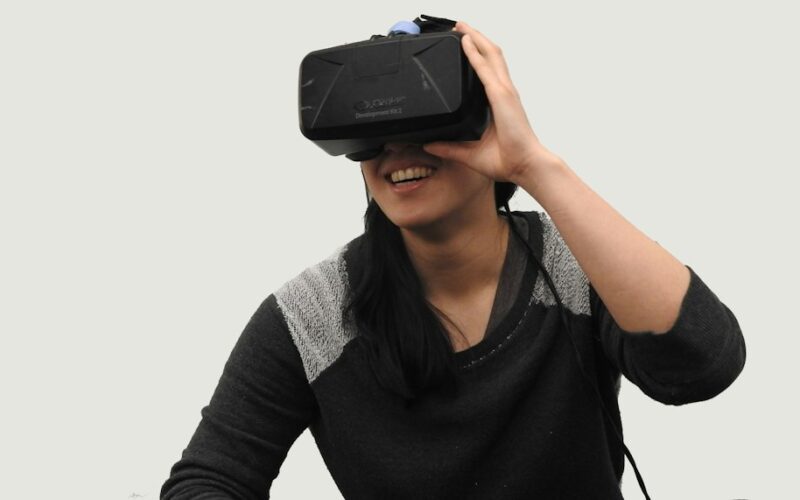
Meta is shaking up the virtual reality landscape once again, announcing its radically redesigned Meta VR Glasses, set to launch in Spring 2027 with a price tag of $1,300. This new hardware weighs in at just 100 grams—roughly five times lighter than the Quest 3, which itself debuted in October 2023 as a more affordable alternative to high-end mixed reality headsets. Instead of packing all the computing power into the headset, Meta’s latest device splits the load between the glasses themselves and a 300-gram “compute puck” that slips into your pocket and connects via a proprietary optical cable.
This two-part system is more than just a hardware curiosity. It’s Meta’s answer to the demand for comfortable, all-day wearable devices, offering folding temple arms, adjustable nose pads, two frame sizes, and magnetic prescription lens inserts. The tradeoff? While you lose the traditional head strap and some on-face weight, you’re now tethered to a pocket-sized hub. Still, the design is being hailed by analysts as a potential gamechanger for spatial computing, especially as competitors like Apple’s Vision Pro (released in February 2024) push the market forward.
Meta Shifts Focus: Hardware Innovation Amid Software Retrenchment
But there’s more to this launch than just lighter, more stylish frames. The new Meta VR Glasses come loaded with Muse, an AI agent baked directly into the operating system. This lets users control apps, manage virtual workspaces, and even search media hands-free, relying on natural hand gestures, eye tracking, and voice commands. No physical controllers needed. Meta also showed off a feature that transforms any flat surface into a virtual keyboard and touchpad, nudging the glasses further into the realm of spatial computing and personal productivity.
The announcement, however, comes against a backdrop of uncertainty in Meta’s broader VR ambitions. The company, which rebranded from Facebook in 2021 to bet big on the “metaverse,” has recently dialed back its investment in VR software. Earlier this year, Meta cut over a thousand jobs in its Reality Labs division, trimmed funding for VR-exclusive games like Rock Band VR and Resident Evil 4 VR, and all but abandoned its Horizon Worlds platform. While Meta’s hardware pushes the envelope, some longtime VR fans are left wondering if the company is still truly committed to the VR gaming ecosystem that powered its early success.
Still, the technical leap is hard to ignore. The Meta VR Glasses support both stationary and room-scale VR experiences, just like the Quest 3, despite the lightweight design and tethered compute puck. Market observers say the new device could redefine expectations for comfort and versatility in VR, even as questions linger about the future of immersive content on the platform. For now, Meta’s $1,300 VR Glasses represent a bold pivot—one that might just keep the company at the forefront of spatial computing as the industry enters a new era.