



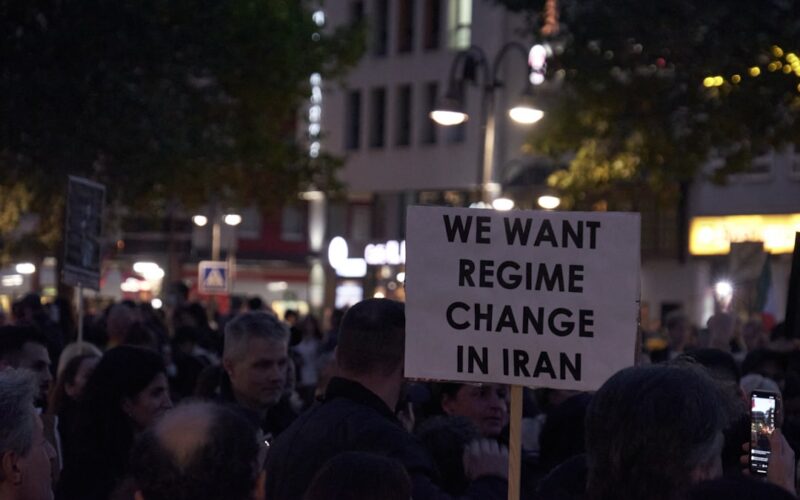
Iran has moved quickly to fill its top leadership vacuum, with Mojtaba Khamenei, the 56-year-old son of the late Ayatollah Ali Khamenei, named as the country’s new supreme leader. The decision, announced early Monday by the powerful Assembly of Experts, comes just nine days after his father was killed in a joint US-Israeli strike—a moment of profound crisis for the Islamic Republic.
Hereditary Succession Breaks Precedent
This marks the first time in Iran’s 47-year history that the supreme leadership has passed from father to son. Both of Mojtaba’s predecessors—Ruhollah Khomeini and Ali Khamenei—had publicly criticized the idea of hereditary rule, making Monday’s announcement a dramatic departure from past practice. Mojtaba, described as something of a mystery even to many inside Iran, has long operated in the shadows of power, coordinating military and intelligence operations for his father and maintaining close ties to the influential Islamic Revolutionary Guard Corps (IRGC).
His selection is widely seen as a signal of Tehran’s defiance toward Washington and Tel Aviv, especially after former President Donald Trump warned that “the leader is not going to last long” without US approval. The IRGC swiftly declared “full obedience” to Mojtaba, describing him on state TV as “the fully qualified jurist, the young thinker and the most knowledgeable in political and social matters.” The endorsement came after a brief period in which other prominent clerics, including Alireza Arafi and Seyed Hassan Khomeini (grandson of the revolution’s founder), were considered as possible successors.
Continuity Amid Crisis
Iran’s president hailed Mojtaba’s selection as a show of “resilience and unity” in the face of Western attacks. The new leader, an ayatollah in his own right, carries stronger religious credentials than his father did at the time of his ascension. Mojtaba’s background includes education at the elite Alavi High School and formal clerical training in Tehran, positioning him as both an insider and loyalist to the theocratic order.
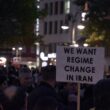
The move has drawn international attention. Russian President Vladimir Putin congratulated Mojtaba and reaffirmed Moscow’s support, hinting at continued strategic cooperation. Meanwhile, large crowds gathered at Enghelab Square in Tehran, reflecting both grief over Ayatollah Ali Khamenei’s death and curiosity about what Mojtaba’s rule will bring.
As G7 finance ministers warn of potential economic fallout from the ongoing conflict, all eyes are now on Iran’s new supreme leader—who, despite his pedigree, steps into what many are calling “the most dangerous job in the world.”