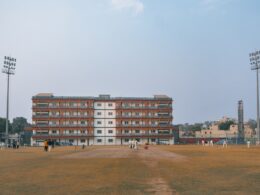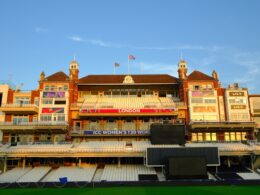





The much-anticipated fourth T20 International between India and South Africa in Lucknow was abandoned on Wednesday, December 18, 2025, without a single ball being bowled, thanks to a heavy shroud of fog and dangerously poor visibility. The unusual weather event left thousands of fans at the Bharat Ratna Shri Atal Bihari Vajpayee Ekana Cricket Stadium frustrated and demanding refunds, even as images of Hardik Pandya warming up in a face mask went viral, underlining the severity of the conditions.
Abandonments in cricket are usually blamed on rain, but this fog-induced cancellation is an extreme rarity — so much so that the only major parallel many could recall was a 1998 Test in Faisalabad, Pakistan, where play was stopped for similar reasons. The Lucknow T20I now carries the unwanted distinction of being India’s first major international match called off due to excessive fog. The game was formally abandoned at 9:25 pm after a string of six inspections yielded no improvement. Fans left the stands vocally upset, with some venting about “sold sacks of wheat” instead of getting a cricket clash.
Refunds and BCCI’s Response
With ticket holders furious, the Board of Control for Cricket in India (BCCI) swiftly announced that the Uttar Pradesh Cricket Association (UPCA) would oversee full refunds. BCCI Secretary Devajit Saikia clarified, “Everything in ticketing is done by the state association,” while Vice-President Rajiv Shukla acknowledged the outrage and hinted the board would consider weather data more carefully when scheduling winter matches in northern cities.
Indignation wasn’t limited to the stands. The series, seen as crucial preparation for the upcoming Men’s T20 World Cup in February-March, has now been overshadowed by what some called questionable scheduling. The match in Lucknow — the city’s first T20I in December — offered a harsh lesson, especially after air quality issues also affected matches in Dharamsala and New Chandigarh earlier in the series.
Winter Scheduling Under the Scanner
While BCCI officials insisted the fog was a “solitary weather situation” and January was usually worse, critics noted the absence of any contingency plan or even a reserve day. With the series now moving to Ahmedabad for the finale — India leads 2-1 — the board’s approach to venue and timing choices will face ongoing scrutiny.
This incident is more than a blip on the radar; it’s reignited debate over how cricket’s scheduling needs to adapt to India’s changing climate realities — and how to keep fans and players safe while making sure the show goes on.