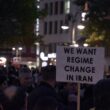





India’s kitchens are feeling the heat—literally and figuratively—as the war in West Asia triggers a wave of disruptions in the nation’s liquefied petroleum gas (LPG) supply. With the conflict between Iran, Israel, and the United States intensifying, major Indian cities like Mumbai, Delhi, and Bengaluru have reported acute shortages of LPG cylinders over the past week. For a country that relies heavily on imports, especially from West Asian suppliers, the situation has quickly escalated into a serious energy crisis.
Prime Minister Narendra Modi stepped in on Tuesday, March 10, convening an emergency meeting with Petroleum Minister Hardeep Singh Puri and External Affairs Minister S. Jaishankar to assess the fallout and review India’s preparedness. In response, the government invoked the Essential Commodities Act—a rare move—to shield households from further disruption and ensure that domestic cooking gas remains a top priority. A newly formed central committee is now overseeing the response, directing Indian refineries and petrochemical units to ramp up LPG production and divert key hydrocarbon streams to the LPG pool in an urgent bid to keep stoves burning across the country.
Commercial Squeeze and Price Hikes
While household kitchens have been given priority, the ripple effects are being felt most sharply by hotels, restaurants, and other commercial users who rely on market-priced LPG. Many establishments in Bengaluru have already announced shutdowns, citing halted commercial supplies. Congress MP Shashi Tharoor called the shortage a “very serious problem”, noting both dwindling availability and rising prices for LPG cylinders. Industry insiders warn that if the supply crunch persists, businesses that depend on commercial LPG could face weeks of disruption.
Diplomatic Dimensions and India’s Mediator Role
The roots of the crisis run deep. Iran’s decision to launch hundreds of missiles and drones in retaliation for US and Israeli military operations has turned the Gulf region into a flashpoint, threatening crucial shipping lanes and trade routes—including those vital for India’s energy security. In this context, former UAE Ambassador to India Hussain Hassan Mirza suggested that Prime Minister Modi’s diplomatic ties with both Israel and Iran could position him as a potential mediator, capable of easing tensions and possibly unlocking fuel flows.
As the government scrambles to stabilize supplies and prevent further hardship, all eyes are on how the conflict in West Asia—and India’s diplomatic efforts—might shape the days ahead. For now, Indian households can expect some relief, but businesses and the broader economy will be watching anxiously as this high-stakes geopolitical drama unfolds.