




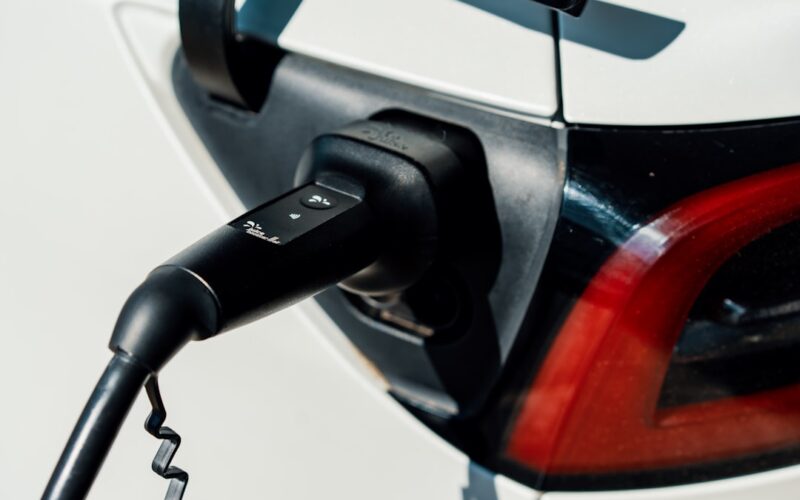
India just hit a major milestone in its drive towards green mobility. Maruti Suzuki has become the first automaker in the country to start producing flex fuel cars with the launch of the Wagon R flex fuel variant. This move comes as India’s first E85 petrol dispensing station opened in Delhi, signaling the start of a new era for alternative fuels.
Flex fuel vehicles (FFVs) like the new Wagon R are designed to run on a wide range of ethanol-petrol blends—from the current Indian standard of E20 (20% ethanol, 80% petrol) all the way up to E85 (80-85% ethanol) and even E100 in some international models. However, regular petrol or E20-compliant cars can’t use E85; they require specialized engineering, including changes to the fuel tank, engine control unit (ECU), and other components to handle the higher ethanol content safely and efficiently.
Price Premiums and Tech Challenges
There’s a catch, though. Making a car flex-fuel compatible isn’t cheap. Extensive modifications mean flex fuel cars like the Wagon R will likely carry a price premium over their petrol-only counterparts. The exact price jump hasn’t been revealed yet, but manufacturers and industry experts agree it’s a necessary investment for cleaner, domestic energy—and a way to support Indian farmers by ramping up demand for homegrown ethanol.
Maruti Suzuki may be first out of the gate, but it won’t be alone for long. Tata is reportedly readying a Punch flex fuel model, and Toyota and Hyundai have flex fuel cars waiting in the wings. Toyota’s Corolla flex fuel hybrid, for example, can even run on pure ethanol (E100), although its launch here depends on the nationwide rollout of E85 or E100 fuel stations.
Potential Impact on Fuel Economy and Imports
For drivers, switching to E85 could mean a fuel efficiency drop of about 20–30% compared to petrol, according to global data from markets like Brazil and the US. However, the benefits go far beyond the pump: using more ethanol means less reliance on imported crude oil, lower tailpipe emissions, and a boost for Indian agriculture.
India’s government is betting big on this transition, rolling out 100% indigenous FFV models and supporting more E85 filling stations in the coming months. For now, flex fuel vehicles remain rare and E85 is available only in select locations, but the wheels are clearly in motion for a greener, more self-reliant future.