




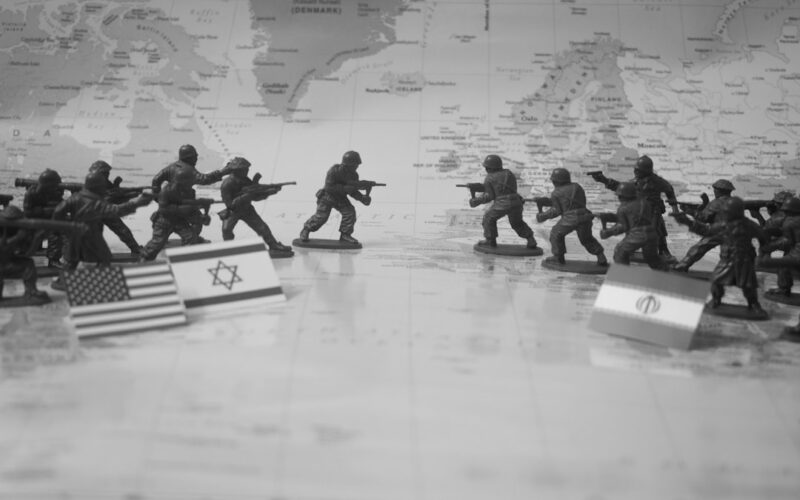
The 60-day memorandum of understanding (MOU) between the United States and Iran, signed by President Donald Trump and Iranian President Masoud Pezeshkian on June 17, officially expired today, August 17, 2026. The deal, reached after rare high-level talks in Pakistan, was supposed to halt more than three months of war that had killed thousands and crippled oil and gas exports through the Strait of Hormuz—a chokepoint vital to global energy markets. Yet as the deadline passed, the waterway remains closed, fighting continues, and both sides blame each other for violating the agreement.
Breakdown of the June Memorandum
The June memorandum declared the “immediate and permanent termination of military operations” and promised a final deal within 60 days, with potential for extension if both sides agreed. The final deal was to be endorsed by the UN Security Council. However, almost immediately, the agreement’s status became hotly disputed. Trump accused Iran of “foolish violations” by late June, while Tehran said U.S. strikes “violate Article 1 of the Memorandum of Understanding.” Both countries also never formally ratified the agreement, and the U.S. reportedly opened backchannels to Iran’s powerful Revolutionary Guard Corps (IRGC) as doubts grew about who could actually end the war.
Escalation and Stalemate
On February 28, President Trump announced “major combat operations” against Iran alongside massive joint U.S.-Israeli strikes. Meanwhile, Iran’s chief army commander upped the ante by offering a $30,000 bounty for anyone who kills or captures a U.S. soldier. The conflict has left the U.S. shifting the USS George Washington from the Pacific to the Middle East, further straining American naval deployments.
While the MOU aimed to address immediate hostilities and left thornier issues like Iran’s nuclear program for later, Tehran now says reopening the Strait of Hormuz—a separate issue from the ceasefire—depends on Washington lifting its naval blockade and sanctions. These were originally conditions for ending the war, but Iran is now demanding them just to resume shipping through the strait.
Diplomatic and Domestic Fallout
Efforts to end the violence have included backchannel talks and even direct engagement with Israel over related regional issues. Trump’s son-in-law, Jared Kushner, is set to meet Israeli Prime Minister Benjamin Netanyahu this week to discuss Gaza and broader Middle East security.
Meanwhile, criticism of the Trump administration’s strategy is mounting at home and abroad. Army veteran and Maryland Governor Wes Moore slammed the president on CNN, saying troops deserve missions that are “explainable,” “understandable,” and “winnable.” Despite the high stakes and global attention, the U.S. and Iran remain locked in a dangerous standoff, with the Strait of Hormuz still closed, oil and gas exports stalled, and no end in sight for a war that has already taken a devastating toll.