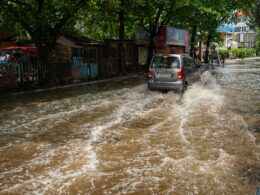



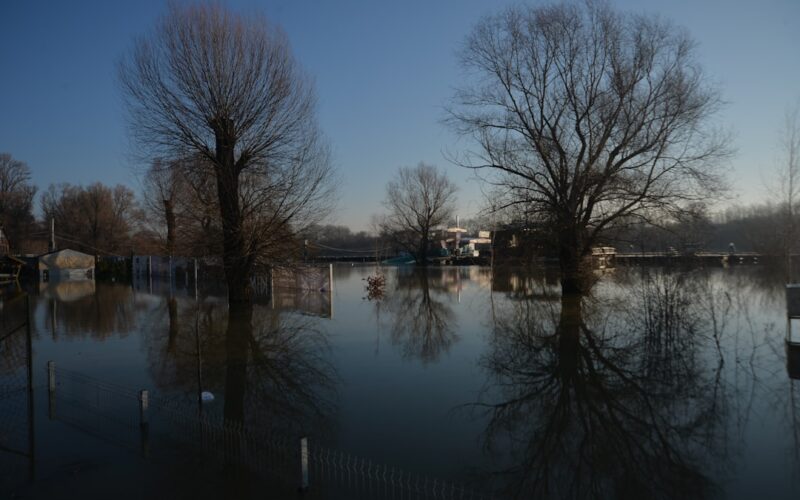
A devastating natural disaster struck the Nepal-China border region on August 26, 2026, when a glacier collapse high in the Himalayas unleashed flash floods and landslides that swept away entire villages. Official figures now put the death toll in Nepal at 781, bringing the combined toll to 797, with at least 16 fatalities on the Chinese side. Authorities say at least 2,502 people are still missing in Nepal, while nearly 550 remain unaccounted for in Tibet. The floods have left a trail of destruction along the Trishuli and Bhotekoshi river systems, burying towns and cutting off communities.
Mass Casualties and Ongoing Rescue Efforts
The scale of devastation is staggering. Chitwan district in Nepal, known for its scenic forests and rivers, has become the site of mass burials for hundreds of unidentified victims, whose bodies were carried downstream by the floods. Police and army personnel in hazmat suits have been working nonstop, retrieving dozens of remains from the riverbanks and organizing mass burials in the Devghat Forest. Residents have been seen salvaging what little they could from destroyed homes in towns like Devighat, while relatives mourn those lost—such as Prabita Roila, 32, whose family lit her funeral pyre by the Suryamati River.
International response has ramped up. Senator Penny Wong, Australia’s foreign minister, announced a further $3 million in humanitarian assistance for Nepal’s flood-affected regions, noting that 42 Australians are still unaccounted for. The U.S. has reported around 85 Americans missing, and dozens of Indian pilgrims from Tamil Nadu and Assam are either missing or rescued, including 49 yatris who had just completed the Kailash pilgrimage.
The World Health Organization (WHO) has deployed $150,000 from its South-East Asia Regional Health Emergency Fund (SEARHEF) and rushed emergency medical supplies—such as tents, masks, gloves, and sanitizers—to the disaster zone. Over 9,400 people have been rescued so far, but the need remains dire, with thousands still cut off or stranded.
Infrastructure Damage and Regional Impact
The floods have also wiped out key infrastructure. The bridge connecting Gandaki Rural Municipality 7 and 8 to the Prithvi Highway was washed away, isolating residents. In China, hundreds of technical workers are using heavy machinery to repair roads to the crucial Gyirong port, now blocked by landslides.
Authorities have issued high-alert warnings for further flash floods and fresh water surges, especially in Nepal’s Nuwakot district, as glacial debris continues to threaten downstream communities. The disaster has not only exposed the fragility of Himalayan settlements to climate-related hazards but also underscored the urgent need for cross-border cooperation in rescue and recovery.
As families wait anxiously for news and aid agencies race against time, the full toll of the Nepal China border floods of 2026—both human and environmental—continues to unfold.