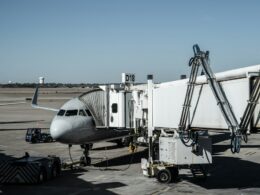





Saudi Arabia is reeling after a weekend of deadly Houthi missile attacks on King Khalid International Airport in Riyadh, which killed at least 13 people and injured more than 300—marking the deadliest strike on Saudi soil in over a decade. The attacks, claimed by Yemen’s Iran-backed Houthi movement, have forced Riyadh to cancel 70% of scheduled flight departures outside of the holy cities of Mecca and Medina, upending travel and commerce across the kingdom.
Stock Market and Oil Fears as Violence Escalates
The broader economic impact was immediate: the Saudi Exchange tumbled almost 2% on Monday, as investors worried about escalating Houthi threats against Saudi oil facilities and infrastructure. The Houthis, using a mix of long-range missiles and drones in an asymmetric campaign, have warned of further attacks if the conflict intensifies. These threats come at a time when global oil prices are already strained by the ongoing US-Iran war that began in March.
Despite Saudi Arabia’s formidable $83 billion defense budget in 2025—about 6.5% of GDP and the eighth largest in the world—the kingdom has struggled to fend off Houthi advances. The recent attacks have exposed structural weaknesses within Saudi defense, raising uncomfortable questions about the country’s security and its ambitious Vision 2030 economic transformation.
International Response and Military Alliances
In response to the crisis, Saudi Arabia, Pakistan, and Turkey announced on October 5th that they would activate a new mutual defense pact—the Mecca Strategic Mutual Defence Agreement. The three countries pledged to rapidly deploy forces to the Gulf kingdom to deter and counter further Houthi attacks. While the US has sent over 100 military advisers to Riyadh for intelligence support, President Donald Trump has so far stopped short of committing to direct air strikes against Houthi targets.
Travel advisories have been issued by several embassies, with the UK warning against all but essential travel to Jeddah and Dammam and urging people to avoid almost all Saudi airports. Meanwhile, the Saudi-led coalition continues to provide air cover for anti-Houthi forces in Yemen but has hesitated to deploy significant ground troops, wary after years of costly and inconclusive intervention.
The stakes remain high for Saudi leaders, particularly Crown Prince Mohammed bin Salman and Defense Minister Khaled bin Salman, as they confront the most severe security challenge since intervening in Yemen in 2015. With the Houthis emboldened and regional tensions mounting, the path ahead for Riyadh is fraught with risk and uncertainty.