



Four astronauts are back on solid ground after spending eight months aboard the International Space Station (ISS), landing in the Pacific Ocean off California’s coast at 11:35 a.m. on October 8, 2026. The crew—consisting of NASA astronauts Jessica Meir and Jack Hathaway, Russia’s Andrey Fedyaev, and the European Space Agency’s Sophie Adenot—departed the ISS after a mission that was as historic as it was eventful.
The team originally raced to the ISS to replace an ailing colleague and his crew. Over their lengthy stay, these astronauts contributed to ongoing science and kept up ISS operations. France’s Sophie Adenot made history as the first French woman to walk in space. Meanwhile, Meir shared a how-to video for curly-haired spacewomen, and Hathaway kept his distinctive naval aviator-style mustache trimmed—even in zero gravity, which he said was no harder than on Earth.
Personal Moments in Orbit and Lunar Achievements
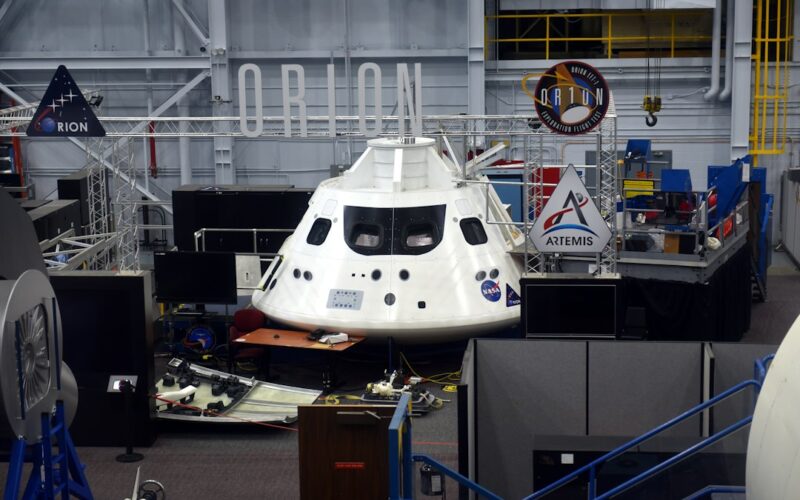
The crew’s mission wasn’t just about maintenance and science. They watched with pride two months into their stay as the Artemis II astronauts completed a slingshot around the moon—the first crewed lunar mission in over 50 years. That Artemis II mission brought home over 800 gigabytes of data and stunning high-resolution imagery, helping NASA plan future lunar landings and even scout potential outposts on the moon’s mysterious farside.
SpaceX’s Dragon capsule, which ferried the astronauts home, carried with it not only the crew but also a treasure trove of memories and media. NASA has released more than eight hours of crew audio, annotated images, and videos of the crew’s dramatic return—now available in an online archive for the public and researchers alike.
Looking Ahead: Shaping Future Missions
The ISS team’s successful mission underscores the international cooperation that keeps the station running and pushes the boundaries of human achievement in space. As the Artemis II deputy lunar science lead Marie Henderson noted, “These findings are going to help shape future Artemis mission architectures.” With the ISS crew safely home and lunar ambitions accelerating, 2026 is turning out to be a pivotal year for space exploration.