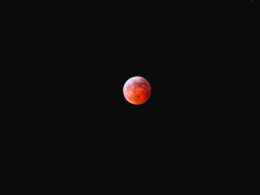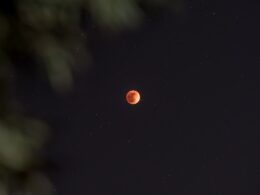



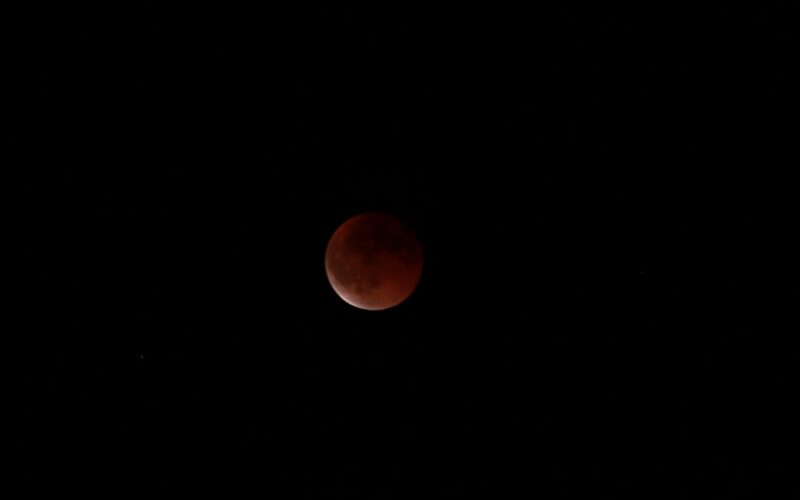
Skywatchers everywhere—from the crowded streets of Kolkata to the quiet rooftops of New Orleans—were treated to a rare celestial extravaganza on March 3, 2026. The first total lunar eclipse of the year, often called a “blood moon,” unfolded over nearly six hours, with the Moon turning a deep coppery red for 58 mesmerizing minutes.
The cosmic show kicked off at 2:14 PM IST when the Moon entered Earth’s penumbral shadow. The partial eclipse began at 3:20 PM, but the real magic happened at 4:34 PM IST, when totality set in and the Moon glowed at its deepest red. The maximum eclipse occurred at 5:03 PM before totality wrapped up at 5:32 PM. This dramatic transformation was visible across continents, with photos and videos flooding social media from India, Vietnam, the Philippines, the US, and beyond.
Why Does the Moon Turn Red?
What causes this eerie red glow? During a total lunar eclipse, the Earth slips directly between the Sun and the Moon, casting its shadow across the lunar surface. But instead of going completely dark, the Moon is bathed in sunlight filtered through Earth’s atmosphere. Shorter blue wavelengths are scattered, while longer red wavelengths slip through, painting the Moon in those unforgettable crimson hues. The exact shade can change, depending on atmospheric dust or pollution—much like the vibrant colors of a sunset.
NASA’s Marshall Space Flight Center in the US shared a stunning timelapse of the event, captured over the Michoud Assembly Facility in New Orleans—a fitting backdrop given the site’s role in building the Space Launch System rocket, which could one day return humans to the Moon. Photos from other hotspots, like the Edge observation deck in New York City and rooftops in Manila, showcased the blood moon in all its dramatic glory.
Social Media Buzz and Scientific Insights
Hashtags like #BloodMoon and #LunarEclipse trended globally as people shared their awe. Astrophysicist Dr. Maria Thompson of NASA emphasized, “Every Blood Moon provides us an opportunity to educate the public about the complexities of celestial mechanics and atmospheric optics.” Amateur astronomers and photographers joined in, using everything from smartphones to telescopes to capture the Moon’s changing face.
If you missed this lunar spectacle, don’t worry—2026 is shaping up to be an exciting year for astronomy. For more upcoming celestial events, NASA has provided a handy guide for skywatchers keen to mark their calendars.