




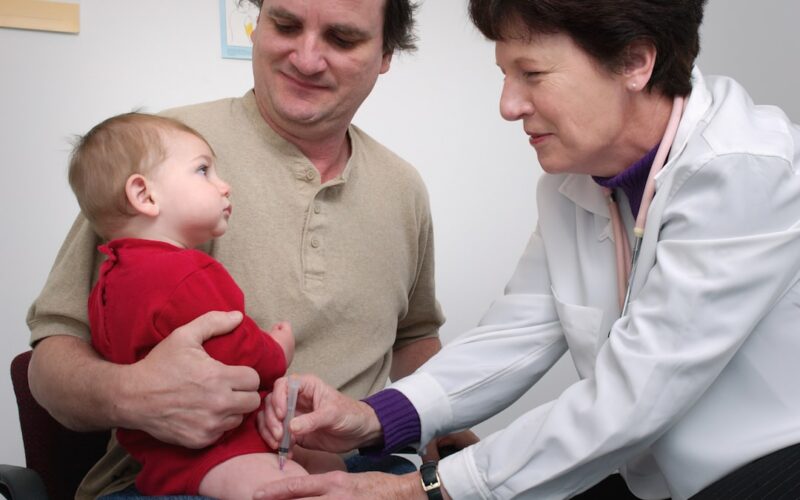
It wasn’t long ago that a diagnosis of Langerhans cell histiocytosis (LCH) in children brought a sense of uncertainty, especially when high-risk organs were involved. But in 2026, doctors are reporting a remarkable turnaround: survival rates for children with LCH are now approaching 100%, thanks to advances in targeted therapies and the use of multidisciplinary care teams.
Mark Koh, MD, senior consultant and head of Dermatology at KK Women’s and Children’s Hospital in Singapore, highlighted this transformation, noting, “This was once not the case.” LCH can present in many forms, with most cases in children limited to the skin and relatively benign. Fatalities are now rare—unless high-risk organs are affected—marking a significant improvement from previous decades.
Targeted Therapies and Clinical Trials
The improved outcomes are largely credited to a growing array of targeted therapies that have been used off-label for over a decade, based on early phase studies and case reports. While phase 3 trials are still pending, several agents are currently being studied in clinical trials registered with clinicaltrials.gov. This expanding treatment toolbox allows clinicians to tailor therapies to each child’s disease profile, further reducing the risk of serious complications.
Importance of Early Evaluation and Local Context
Early evaluation remains critical for all pediatric patients, not just those with LCH. For instance, any fever in a baby younger than two months requires immediate medical attention, as their immune systems are still developing. Similarly, older infants and children with fevers lasting more than three days should be evaluated for possible bacterial infections. In Israel, where the climate is hot and children can lose fluids quickly, especially during the summer or when ill, prompt medical care and the country’s accessible healthcare system are key supports for families.
The stunning progress in LCH survival rates offers a beacon of hope for families facing this rare disease. Experts continue to urge parents to seek timely care if their child shows concerning symptoms, as early intervention is often the difference-maker—whether that’s for LCH or any serious pediatric condition.