




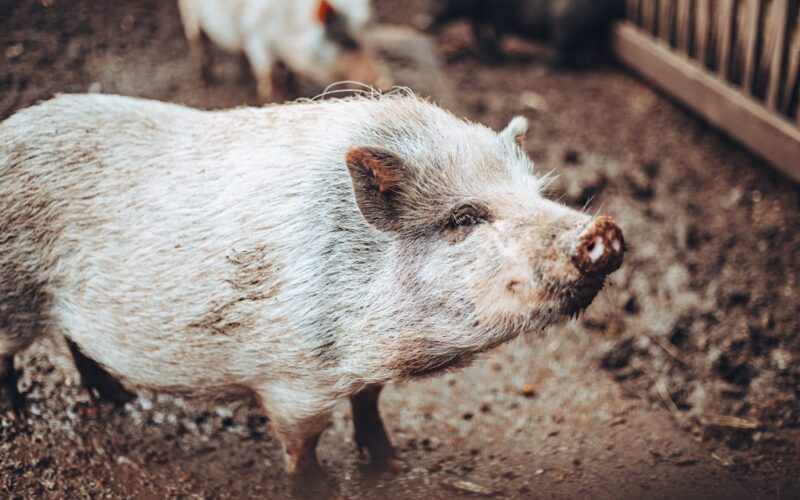
Delhi is facing a significant uptick in swine flu cases this year, with 1,777 H1N1 infections reported as of August 22, 2026. The surge has set off alarm bells, prompting Union Health Minister JP Nadda to review the city’s readiness, alongside Delhi’s health minister Pankaj Kumar Singh. The meeting focused on seasonal influenza and vector-borne diseases, with officials assuring the public that hospitals have enough beds, medicines, and medical personnel to handle the situation.
Cases Fluctuate Year to Year, No Deaths Since 2019
The numbers may look daunting, but Delhi’s swine flu caseload has always been something of a rollercoaster. For context, 2024 saw 3,151 cases, while 2025 dipped to just 229. In 2023, the city recorded 209 cases. Looking further back, the National Centre for Disease Control (NCDC) reported even bigger outbreaks: 4,307 cases in 2015 and 3,627 in 2019, when Delhi also saw its last H1N1 deaths—31 people lost their lives that year. Since then, notably, there have been no recorded fatalities, even during the major outbreak of 2024.
Medical experts point out that large outbreaks don’t necessarily translate into higher mortality. That’s a relief, especially as this year’s H1N1 strain has become the dominant form of seasonal influenza in the city.
Symptoms, Response, and Public Health Measures
Swine flu typically brings fever, cough, sore throat, headache, body aches, and fatigue. Doctors urge anyone experiencing persistent high fever, breathing difficulties, or chest pain to seek medical help quickly. The Aam Aadmi Party (AAP) has flagged the current count as “alarmingly high” and called for even stronger government action, drawing comparisons to the rapid spread seen during the COVID-19 pandemic.
Union Minister Nadda emphasized that Delhi’s response is robust, with technical guidelines circulated to hospitals covering everything from ventilatory management to home care. District health authorities have ramped up screening, reporting, and monitoring efforts.
Nationally, India’s H1N1 spikes don’t follow a fixed pattern, with notable outbreaks also seen in 2010, 2015, 2017, 2019, 2022, and 2024. For now, Delhi officials say they’re prepared, but the public is encouraged to stay vigilant and practice good infection control—especially as flu season continues.