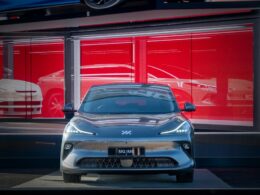





Electric vehicle adoption rates are accelerating rapidly across the globe, with some of the most dramatic gains recorded in 2025. Denmark has stunned the auto world, with battery electric vehicles (BEVs) grabbing a staggering 68% share of all new car sales. Just a few years ago, Denmark was still dominated by petrol and diesel engines. Now, it’s joined by a cluster of Northern European countries—The Netherlands, Finland, Belgium, and Sweden—where at least a third of new cars are fully electric.
But the story isn’t just about wealthy nations anymore. Turkey, with a BEV share of 17% last year, has matched the European Union average, thanks largely to the rise of homegrown automaker Togg. The brand has leapfrogged Tesla to become Turkey’s top EV supplier, while Chinese giant BYD takes third place. Even California—a familiar trendsetter—hit a 20% ZEV share, and Washington state now has over 150,000 all-electric vehicles on its roads, supported by dense public charging infrastructure.
The Challenges: Infrastructure Gaps and Safety Concerns
Despite these advances, the global EV transition faces hurdles. In many markets, especially in lower- and middle-income countries, inadequate charging infrastructure threatens to slow momentum. New EVs are still mostly bought by wealthier residents, leaving others to wait for more affordable used models. In Italy, for example, electric vehicles made up just 6% of new car sales in 2025—well below the EU average—and only 1.5% of cars on Italian roads are electric. High prices (averaging €35,000 for a new EV) and less generous subsidies compared to northern Europe have kept adoption modest, despite Italy’s love affair with cars.
Safety concerns are another emerging issue. A 2023 study found that while EV fatality rates per 100,000 cars haven’t significantly risen since 2014, 82% of EV accident deaths happened on local roads and nearly half involved speeding. Alcohol was a factor in over a third of these tragic incidents. As EVs become more common on city streets and highways, the total number of EV-related crashes is expected to rise—even if the risk per mile doesn’t increase—prompting regulators to consider new safety measures.
EV Tech Still Needs Familiar Tools
Meanwhile, as more drivers make the switch, there’s still a place for classic car gadgets. Devices like Anker’s 535 Car Charger remain popular with both EV and gasoline car owners, plugging into the traditional 12V outlet to keep phones and tablets powered on the go. With a 4.8-star Amazon rating, it shows some old-school tech is still keeping pace in a rapidly electrifying world.