



The Ebola outbreak in the Democratic Republic of Congo (DRC) has intensified, with at least 139 deaths reported as of May 23, 2026, according to the World Health Organization (WHO). The outbreak, driven by the rare Bundibugyo strain of the virus, has also led to confirmed cases and one death in neighboring Uganda. The WHO now considers the public health risk within the DRC as “very high,” while neighboring countries remain at a lower risk for now.
Bundibugyo Strain Challenges Response
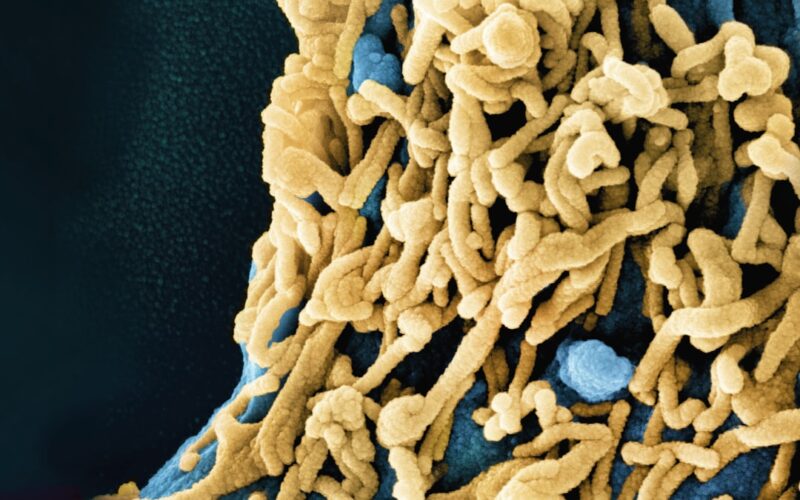
Bundibugyo Ebola is less deadly than some other Ebola species, but its rarity means there are fewer medical tools available to fight it—no vaccines or proven treatments are currently on hand. The current outbreak is suspected to have started weeks or even months before it was officially detected, raising concerns that the true scale could be even larger than confirmed numbers suggest. So far, DRC officials have confirmed 82 cases and seven deaths, but the overall toll is likely higher when including probable and unreported cases.
The epicenter of the outbreak is in the DRC’s Ituri and North Kivu provinces—regions already destabilized by armed conflict and significant population displacement. Ongoing violence has made it hard for healthcare workers to operate safely; for example, on May 21, a treatment center in Rwampara was set ablaze after locals were prevented from retrieving a deceased relative’s body, highlighting the challenges of community mistrust and anger.
International Response and Ongoing Risks
WHO Director-General Tedros Adhanom Ghebreyesus has warned that violence and insecurity are hampering efforts to contain the spread, especially as some cases have emerged in rebel-held areas. Aid agencies are ramping up their efforts, focusing on contact tracing, risk communication, and community engagement. The Centers for Disease Control and Prevention (CDC) has also raised its travel advisory to Level 3, urging people to reconsider nonessential travel to the region.
The WHO advisory group is now recommending assessment of the antiviral drug obeldesivir as a possible post-exposure measure for high-risk contacts, in partnership with Africa CDC and research groups. However, with no approved vaccine for Bundibugyo Ebola and ongoing disruptions from conflict, containing the outbreak remains a daunting task.
As the situation develops, both the WHO and CDC continue to coordinate international support, laboratory testing, and evacuation plans for individuals at risk, including U.S. citizens in outbreak areas. The hope is that with quick action and strengthened community trust, further spread of this rare but deadly disease can be stopped.