



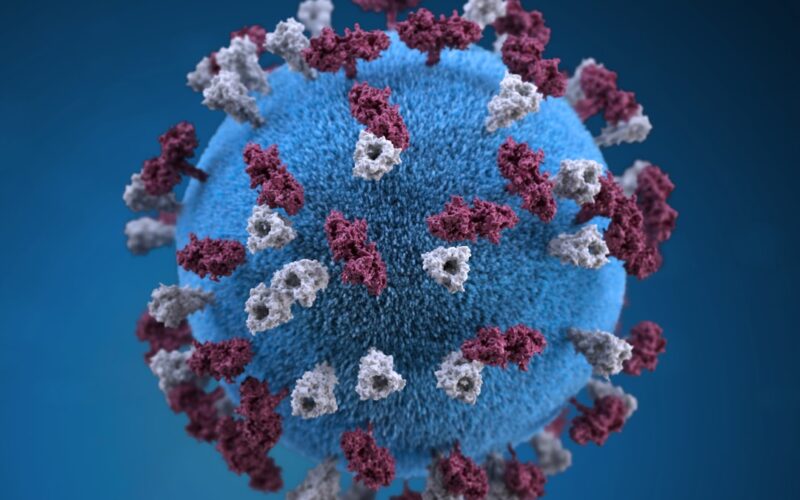
Health workers in the Democratic Republic of Congo (DRC) are once again donning protective gear as an Ebola outbreak in the country escalates. On June 2, 2026, teams responded in Monigi, Ituri Province, as the number of confirmed Ebola cases continues to climb. According to new modeling from the U.S. Centers for Disease Control and Prevention (CDC), if immediate measures aren’t implemented, more than 20,000 people could fall ill with Ebola in the next three months. That projection, if realized, could push the ongoing crisis past the devastating 2014-2016 West African outbreak, which saw about 28,000 cases and remains the largest on record.
The situation on the ground is especially challenging. Unlike the large, coordinated international response a decade ago, responders in 2026 are facing logistical barriers, limited resources, and the risk of the Bundibugyo virus spreading into densely populated eastern Africa. Cases have already been reported in Uganda’s capital, Kampala, and confirmed infections are concentrated in the DRC provinces of Ituri, Nord-Kivu, and Sud-Kivu. Most affected patients are between 20 and 39 years old, with two-thirds being women. Symptoms mirror classic Ebola: fever, severe weakness, vomiting (sometimes with blood), abdominal pain, nosebleeds, and headaches. As of May 24, there have been 50 reported deaths, with the outbreak likely originating in mid-to-late February 2026.
Massive Response Plan and Global Coordination
On May 31, the Africa Centres for Disease Control and Prevention (Africa CDC) and World Health Organization (WHO) launched a joint six-month continental preparedness and response plan. The initiative covers June to November 2026 and aims to raise $518 million to support African countries and partners in preparing for, detecting, and responding to the outbreak. The coordinated ‘One Response’ approach will strengthen emergency coordination, lab testing, infection control, clinical care, and community engagement across the continent.
CDC’s incident manager, Dr. Satish Pillai, emphasized that while the risk to the general U.S. population remains low, the agency is maintaining rapid response teams ready to deploy within 24 hours if necessary. The CDC, WHO, and African partners stress that the scale of this outbreak—and its potential to surpass the 2014-2016 epidemic—depends on immediate action and global support. If unchecked, the Bundibugyo virus, previously responsible for outbreaks in Uganda (2007, 25% fatality rate) and DRC (2012, 50% fatality rate), could trigger the worst Ebola crisis ever recorded.
With World Health Day 2026’s theme, “Stand with Science,” global health leaders are urging swift, science-based action to protect vulnerable populations and prevent another catastrophic Ebola epidemic.