




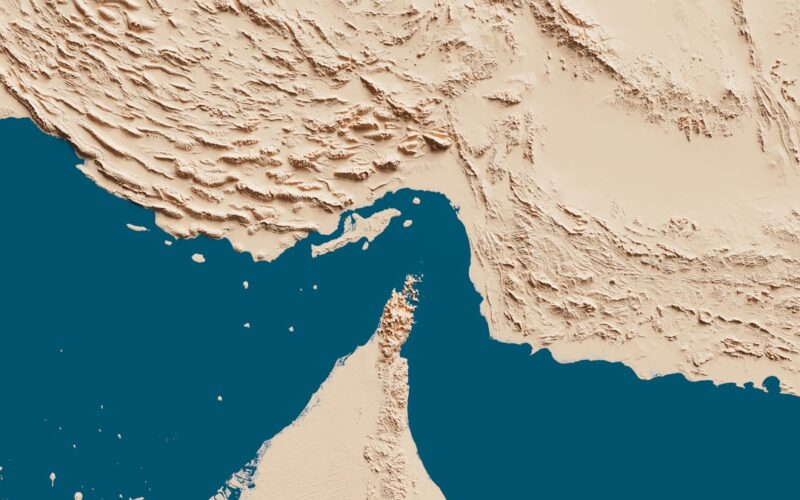
Ship traffic through the Strait of Hormuz, a vital artery for global energy supplies, dropped a staggering 33% on Friday compared to the previous day, according to data from trade intelligence firm Kpler. The sharp decline comes as Iran and Oman edge closer to a deal on managing the waterway, but with Iran vowing to keep the strait closed to U.S. and Israeli vessels—and potentially others—until its steep demands are met.
Oman, which borders the Strait of Hormuz along with Iran, condemned recent attacks on vessels attempting to transit the strait, warning that such incidents could jeopardize its ongoing negotiations with Tehran. The United Arab Emirates and Kuwait also voiced strong condemnation after an Iranian missile strike targeted an Abu Dhabi National Oil Company vessel, raising fresh concerns for regional stability.
Iran-U.S. Tensions and “Semi-Negotiations”
Despite reports of possible progress, Iranian Foreign Minister Abbas Araghchi made it clear on Sunday that there are no direct negotiations underway between Tehran and Washington. “Messages are being exchanged through intermediaries,” he acknowledged, but insisted these fall short of official talks. Meanwhile, President Donald Trump told Axios that the U.S. is “low keying it” and described the situation as “semi-negotiating,” even as both sides dispute the nature and seriousness of ongoing contacts.
The backdrop to these tense exchanges is the aftermath of major U.S.-Israeli airstrikes against Iran earlier this year, followed by a memorandum of understanding in June that was supposed to be the basis for a war-ending deal. However, Araghchi accused the U.S. of violating the agreement, stating there would be no resumption of talks unless Washington corrects its behavior and compensates Iran for past breaches.
Oman-Iran Deal Nears, Strait Remains Closed
Iran and Oman are reportedly close to finalizing an agreement on managing traffic through the strait, possibly including a new toll fee. Yet, Araghchi reiterated Sunday that even if a deal is struck with Oman, the strait will remain closed until the U.S. meets Iran’s conditions. According to a draft plan, Iran would bar U.S. and Israeli vessels from transiting the strait, and require other nations that have “harmed Iran” to compensate before being allowed passage.
The uncertainty has already rippled through energy markets—oil prices rose Friday as investors watched for news of an agreement. The Strait of Hormuz typically carries about one-fifth of the world’s energy supplies, making any prolonged disruption a global concern. With most vessels now rerouting along the Iranian side and diplomatic solutions still elusive, the world is watching closely for the next turn in this high-stakes standoff.