




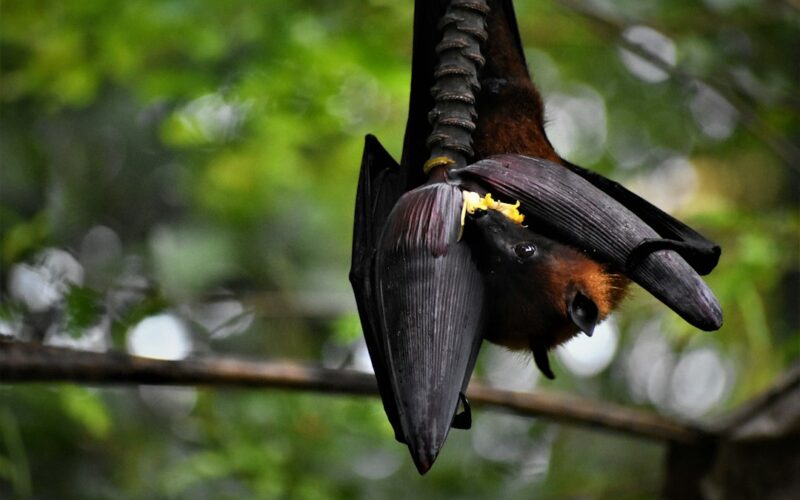
In a science breakthrough that’s rewriting the story of how bats took flight, an international team of 137 scientists from 64 countries has traced the origins of bats to Europe around 65 million years ago. This finding, published in the journal Nature, comes from the largest-ever analysis of bat genomes and fossils, toppling earlier theories that bats first evolved in Asia, Africa, or North America.
The researchers, working under the Bat1K consortium, sequenced high-quality genomes from 103 species representing all 21 recognized bat families—no small feat, considering there are about 1,500 bat species fluttering around the globe today. They matched this genetic data with a painstaking analysis of 44 fossil bats, including some from rare or remote regions, to build the most comprehensive evolutionary family tree for these flying mammals to date.
Europe: The Surprising Birthplace of Bats
The study’s results flip a long-held assumption: bats likely originated in Europe during the late Paleocene period, roughly a million years after the asteroid strike that wiped out non-avian dinosaurs 66 million years ago. That cataclysm, which opened up new ecological niches, appears to have set the stage for bats to emerge and eventually become the only mammals capable of true flight. From Europe, bats quickly spread to Africa and then radiated out to Asia, the Americas, and Australia, with the exception of Antarctica.
Flight and Echolocation from the Start
One of the study’s key findings is that bats’ two defining abilities—flight and echolocation—both evolved near the very beginning of their evolutionary history. Fossil analysis of early bat lineages, such as the Vielasia branch, backs this up, suggesting that the sophisticated echo-based navigation system was present almost as soon as bats appeared.
The sheer scale of the research—decades in the making—has clarified not only where bats came from, but how they rapidly diversified and adapted to nearly every continent. Given that bats account for about one fifth of all living mammal species, understanding their roots helps answer bigger questions about mammal evolution after the dinosaur extinction.
This new evolutionary map doesn’t just solve a biological puzzle; it shows how quickly life can rebound and innovate in the wake of global catastrophe. For bats, it seems, Europe was the launchpad for one of nature’s greatest success stories.