




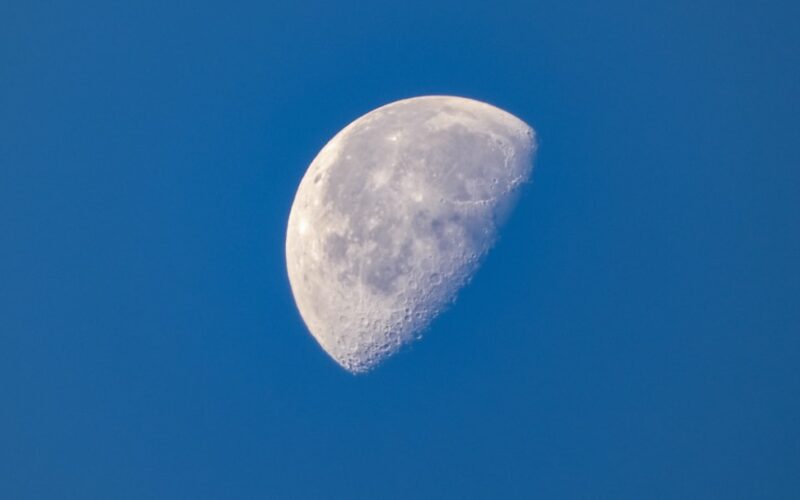
NASA’s Artemis II mission is back on track for a historic April 1, 2026 launch, as the agency’s towering 322-foot Space Launch System (SLS) rocket and Orion capsule have completed their 4-mile journey from the Vehicle Assembly Building to Launch Pad 39B at Kennedy Space Center. The rollout, which began around 12:20 a.m. EDT on Friday after a delay due to high winds, took nearly 12 hours as the rocket crawled atop an Apollo-era transporter, marking a major step toward the first crewed flight around the moon in more than 50 years.
Repairs and Launch Readiness
The Artemis II rocket had been returned to the hangar in February after a helium flow issue was detected during pre-launch tests, pausing preparations and raising questions about the timeline. NASA engineers say the rocket is now “all fixed up,” with no further major tests needed on the SLS or Orion systems. After two previous wet dress rehearsals and issues with liquid hydrogen leaks, the successful repair and rollout now allow NASA to target a two-hour launch window opening at 6:24 p.m. on April 1.
Four astronauts—whose names were announced in a historic nod to Apollo-era exploration—are now in quarantine, preparing for the 10-day mission. If all goes as planned, this will be the first time humans have flown on the SLS and inside the Orion capsule, which was previously tested without a life support system in 2022.
Mission Goals and Next Steps
Artemis II won’t land on the lunar surface, but it will send its crew farther from Earth than any previous humans, swinging around the moon before returning to a Pacific Ocean splashdown. The astronauts will spend their first full day in space checking out Orion’s propulsion, navigation, communications, and life support systems—critical tests ahead of future missions.
If Artemis II succeeds, NASA is planning another SLS and Orion launch as soon as next year to rehearse rendezvous and docking procedures with moon landers under development by SpaceX and Blue Origin. These steps are key to the agency’s long-term goal of returning astronauts to the lunar surface later this decade.
With the Artemis II rocket now back on the launch pad and the crew set for final preparations, NASA’s ambitious plans to return humans to lunar exploration are closer than ever to liftoff.