




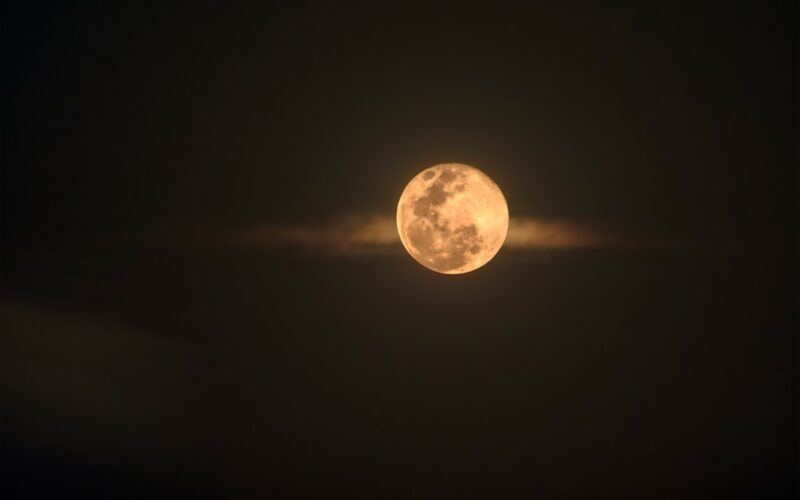
Skywatchers, get ready—tonight’s Wolf supermoon is more than just a big, bright full moon. On January 3rd, 2026, at 10:03 GMT, the year kicks off with a triple cosmic spectacle that won’t return for months. This rare event, dubbed the “Three Wolf Moon” by enthusiasts, combines a luminous supermoon, a close fly-by of Jupiter, and the iconic winter constellation Orion all parading together in the night sky.
Also called the Wolf Moon, it’s the first full moon of the year and, notably, the fourth supermoon in as many months, following 2025’s Harvest, Beaver, and Cold Moons. For the UK, the Wolf supermoon will rise on Saturday evening, January 3, reaching maximum fullness just as it brushes the horizon—your best bet for dramatic photos and that glowing, oversized look. Viewing is weather-dependent, but forecasters are predicting mostly clear skies, so bundle up and step outside while the holiday decorations are still coming down.
What Makes This Wolf Supermoon a “Triple Treat”?
This year’s Wolf supermoon is extra special. Not only is it the largest and brightest Moon for months to come, but it happens just hours from Earth’s perihelion—the point in the planet’s orbit when it’s about 3.4 percent closer to the Sun than its farthest distance. The combined effect makes the Moon appear even more brilliant, offering a rare sight for both amateur and seasoned astronomers.
The lunar orbit doesn’t always align its closest approach (perigee) with the full moon, so true supermoons are less common than you might expect. January’s event is the only one until late November 2026, and this year’s lunar show is topped off by Jupiter’s close approach and the prominent shape of Orion hanging nearby. Whether you’re simply stepping outside or reaching for a telescope, stargazers are in for a treat.
Looking Ahead: A Rare Lunar Year
Didn’t catch tonight’s show? You’ll need patience—another supermoon isn’t due until November 2026, though May brings the rare occurrence of two full moons in one month, making 2026 a year with 13 full Moons instead of the usual twelve. For the best view tonight, watch the horizon at moonrise or moonset.
So, as 2026 begins, don’t miss your chance to witness a celestial hat-trick: the dazzling Wolf supermoon accompanied by Jupiter and Orion, lighting up the winter sky for one memorable night.