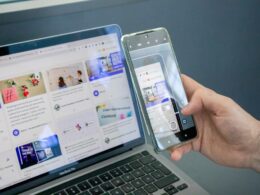





Google is shaking up the Android update game. On December 3, 2025, the tech giant officially rolled out Android 16 QPR2 — the second quarterly platform release for Android 16 — to more than 20 Pixel devices, including everything from the Pixel 6 series all the way through to the latest Pixel 10 Pro Fold. This isn’t just another feature bump; it’s the start of a major shift in how Android updates will reach users.
For years, Pixel owners have enjoyed early access to major Android features while other phone makers’ customers waited months. That gap is now set to shrink. The QPR2 update marks the end of Google’s annual Android release schedule, introducing biannual releases instead — a change announced in October 2024 and designed to help device makers and developers bring new features to users faster, no matter what phone they own.
More Features, More Often
With Android 16 QPR2, users can look forward to a steady trickle of improvements instead of waiting for a single big bang each year. The update brings a slew of enhancements: new notification options, more personalized lock screens and widgets, custom-shaped icons, and an expanded dark theme. There’s plenty for developers too, as this release marks the first minor SDK update — promising faster delivery of APIs while keeping existing apps running smoothly.
Some standout additions: improved media and health features like software-based immersive audio decoding (IAMF), an Output Switcher integration for Bluetooth LE Audio, automatic step tracking, and expanded exercise metrics. Security also gets a boost, with new features flagging apps that aren’t yet compatible with Android’s upcoming 16KB page size requirement.
Better Device Compatibility, Smoother Migration
Pixel users running Android 16 QPR2 Beta 3.3 can expect a small update to the stable release — and in a relief, no device wipe is required. Anyone currently in the Android Beta Program will need to opt out to receive the stable build.
And there’s more to make life easier: a new third-party API now allows for reliable data transfers between Android and iOS devices, while improved mouse and touchpad support (like Action Corners and universal cursor navigation) brings extra polish to larger screen setups.
All told, Android 16 QPR2 is about speed — not just for Google’s own devices, but for the entire Android ecosystem. With more regular releases now the norm, it looks like Android users everywhere can finally hope to get new features faster than ever before.