




February is Heart Health Month—a fitting time to talk about blood pressure, the “silent killer” that quietly affects nearly one in two Americans. Despite hypertension being one of the most preventable and controllable risk factors for cardiovascular disease, poor adherence to medication is a stubborn problem. According to Dr. Pathak, an estimated 50% of patients prescribed at least three antihypertensive agents don’t actually take them as directed.
That’s why the FDA’s recent approval of Widaplik (by George Medicines) is generating buzz in the cardiology community. This new fixed-dose tablet combines telmisartan, amlodipine, and indapamide—three different antihypertensive drugs—into a single daily pill. It’s approved for use in adults with high blood pressure, and even as a first-line treatment. The logic is simple: if you can shrink a complex drug regimen down to one easy-to-remember pill, patients are much more likely to stick with it.
The Rise of the Quadpill
But there’s more on the horizon than just triple therapy. The concept of a “quadpill”—a combination of four antihypertensive agents at low doses—has gained traction following the QUARTET trial, which showed this strategy outperformed standard single-drug therapy. Dr. Pathak suggests that such combination therapies could soon become the default starting point for treating all patients with hypertension, since the individual drugs work together synergistically and the simplicity of a single tablet significantly boosts treatment compliance.
Beyond Pills: Monitoring and Hot Water Therapy
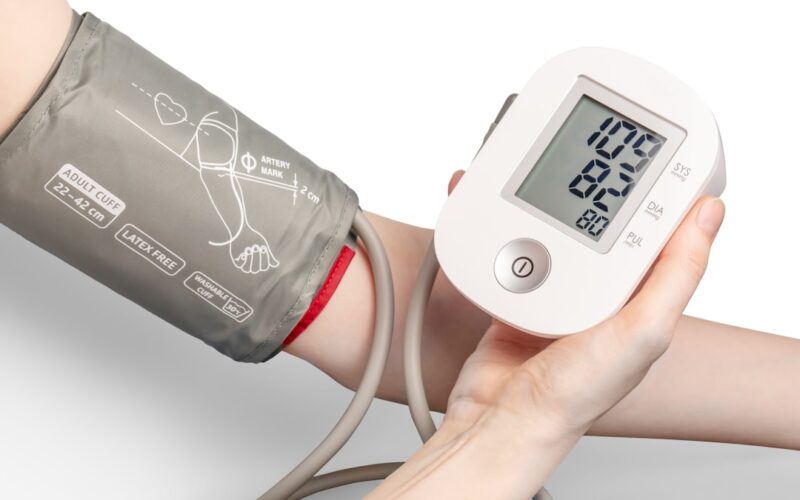
Of course, medication alone isn’t the whole story. Dr. Jeremy London, a veteran cardiothoracic surgeon, reminds patients that blood pressure control starts at home. Instead of relying on the once-a-year checkup, he recommends measuring blood pressure twice daily—morning and evening—to get a true picture of your cardiovascular health.
There’s even some good news for those seeking non-drug therapies. Recent research suggests that regular hot water immersion—about 30 minutes at 39°C to 40°C—can help reduce blood pressure, especially for older adults already being treated for hypertension. While the results are promising, researchers caution that more studies are needed to pin down the best protocols and ensure long-term safety.
The bottom line? Whether through innovative combination pills, diligent self-monitoring, or new lifestyle approaches, the tools to fight hypertension are expanding—hopefully making it easier for more people to keep their blood pressure in check.