



The geopolitical powder keg in the Middle East just got even more volatile. On Saturday, Iran announced new restrictions on the Strait of Hormuz, the world’s most critical shipping route for oil and fertilizer, as Israeli forces pounded nine villages in southern Lebanon with airstrikes. These moves have sent energy prices soaring and deepened the region’s humanitarian crises.
Iran Moves to Control the Strait of Hormuz
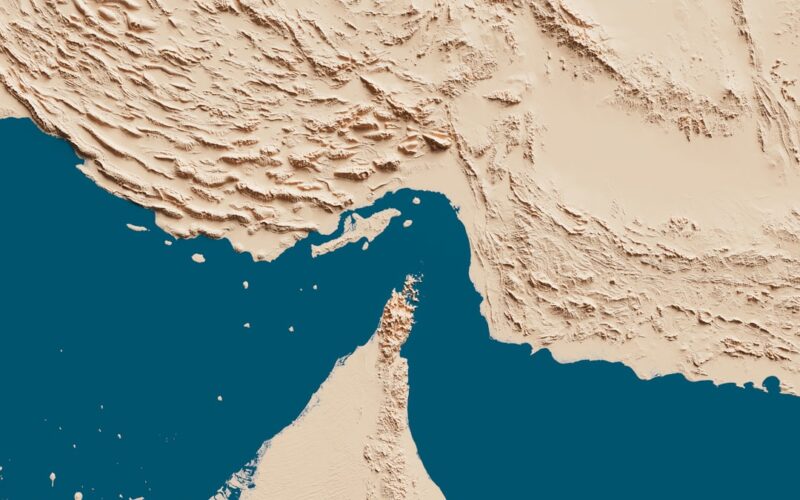
Iranian officials revealed plans to roll out a “professional mechanism” to manage vessel traffic in the Strait of Hormuz, a chokepoint for roughly one-third of all globally shipped fertilizer and a vast share of the world’s oil. Lawmaker Ebrahim Azizi stated that only commercial ships “cooperating with Iran” would benefit from this new system, and that fees would be collected for “specialized services.” Iranian Vice President Mohammad Reza Aref went further, declaring that enemy military equipment would no longer be allowed through the strait—a move directly aimed at U.S. and allied naval forces.
The timing is no accident. Iranian Parliament Speaker Mohammad Bagher Ghalibaf’s appointment as special envoy to China signals Tehran’s intent to deepen ties with Beijing and Moscow, even as it faces threats from Washington. Former U.S. President Donald Trump warned Iran it would have a “very bad time” if peace talks failed, but Iranian officials say deep mistrust continues to hobble negotiations.
Israeli Airstrikes and the Expanding Humanitarian Crisis
While Iran tightens its grip on the Strait, Israel has intensified its military campaign in southern Lebanon. Despite a recently extended truce with Iran, Israeli airstrikes hit nine villages in Lebanon’s south, including the town of Jouaiya where three people were killed, according to Lebanon’s state news agency. The raids, which Israel says target Hezbollah, were preceded by army warnings urging civilians not to return to the region—fueling skepticism about the ceasefire among displaced Lebanese families.
The repercussions are being felt far beyond the frontlines. Disruption in the Strait of Hormuz has snarled supply chains, with fertilizer and other goods stranded as far afield as Somalia. The IPC reports that diesel and gas prices in Somalia have surged by up to 60%, making life even harder for families already struggling to afford basic staples. Aid groups warn that any sustained shipping disruption could quickly ripple through global food markets, threatening millions.
With Brent crude oil prices now hovering above $100 per barrel and governments worldwide bracing for more inflation, the latest escalation in the Middle East is a stark reminder that regional conflicts can have global consequences—fast.