


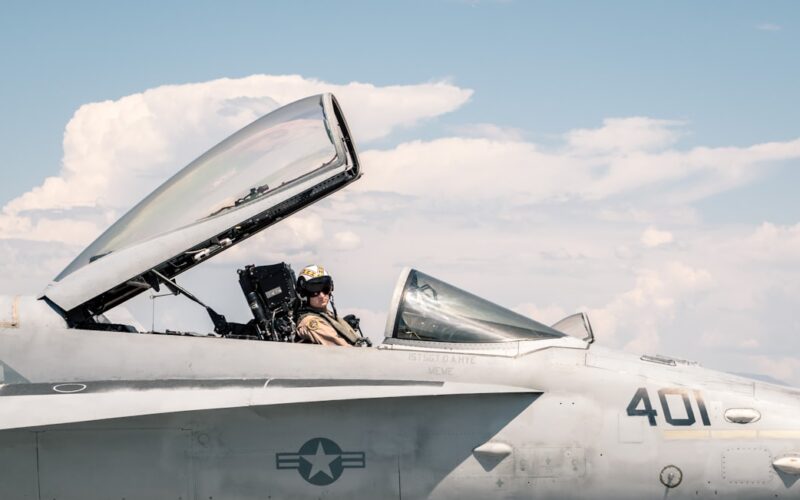
In a high-stakes operation on April 4, 2026, US Special Operations forces rescued a downed Air Force colonel from hostile territory in Iran after his F-15E Strike Eagle was shot down over Isfahan province the previous day. The mission, described by President Donald Trump as “one of the most daring search and rescue operations in US history,” saw the airman extracted under the cover of darkness and flown to Kuwait for medical treatment. The colonel reportedly suffered a sprained ankle and survived by hiding in a hilltop crevice before establishing contact and authenticating himself to US forces—a crucial step to avoid a deadly trap.
Conflicting Narratives and Iranian Claims
But the rescue, hailed as a near-perfect operation by US officials, is shrouded in controversy due to conflicting narratives. Iran’s military claimed on Sunday (April 5) that it had thwarted a “deception and escape mission” at an abandoned airport in southern Isfahan. According to Ebrahim Zolfaghari, spokesman for Iran’s Khatam Al-Anbiya military command, two US C-130 transport planes and two Black Hawk helicopters were destroyed during the attempted extraction. Iranian state media further reported their forces shot down a US drone searching for the missing airman. The BBC and other independent outlets have not been able to verify either side’s version of events, though images circulating on social media appear to show wreckage of at least one US aircraft and a helicopter rotor in the area.
Behind-the-Scenes Intelligence and Ongoing Tensions
Sources say the rescue was coordinated with the CIA, which ran a deception campaign aimed at confusing Iranian authorities by spreading false leads inside Iran about the airman’s location and status. The US military has acknowledged deliberately destroying aircraft that became stuck during the extraction, though they have denied Iranian claims of a total operational failure.
The operation unfolded amid rapidly escalating regional tensions, as Israel reportedly struck multiple Iranian university campuses—including Sharif University in Tehran and Isfahan—just days before the airman’s extraction. The proximity of the rescue to key nuclear facilities in Isfahan, including a site holding 970 pounds of near-bomb-grade uranium, has only heightened anxieties about broader conflict.
While the rescued colonel is now safe, the fate of a second airman who ejected during the incident remains unclear. The episode highlights the extreme risks both sides are willing to take—and the fog of information warfare that now surrounds US-Iran confrontations.